If you have ever wondered, how often should you see a dentist, the short answer is this: for most people, a dental check every six months is a smart starting point. That old advice still holds up because routine dental checkups help catch cavities, gum disease, and other oral health concerns before they turn into bigger, more expensive, and more painful problems.
That said, there is no one-size-fits-all calendar hanging over every patient’s head. Some people can stay on a regular schedule of two dental check ups a year and do well. Others need to visit the dentist more often because of their age, medical history, current symptoms, or risk level. Your dentist looks at your teeth, gums, oral hygiene, and overall medical background to recommend the right timing for your next visit.
At Liberia Dental Care, we often tell patients in Manassas that preventive care works a lot like routine maintenance on a car. You do not wait for smoke from the engine before getting it checked. In the same way, you should not only go to the dentist when something hurts. The goal of dental visits is to protect your smile before trouble starts.
The General Rule: Every Six Months
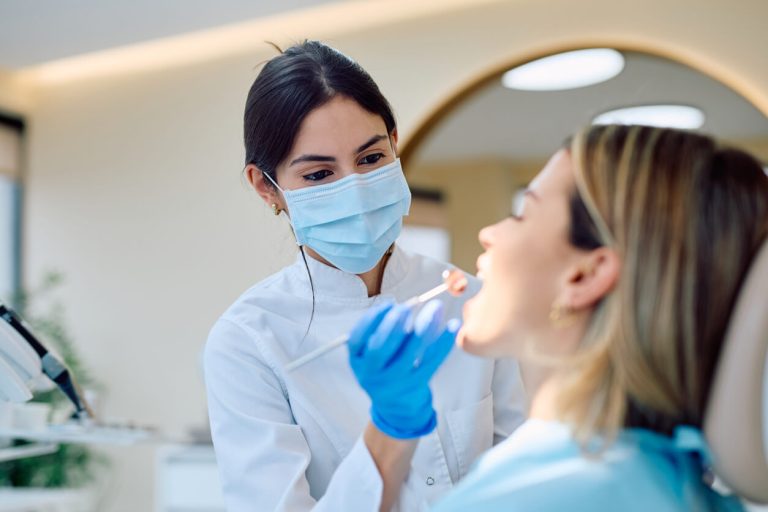
For many adults and children, seeing a dentist every six months is a good rule. These regular visits usually include an exam, a professional cleaning, and sometimes X-rays depending on your needs. During this check up, your provider can examine your mouth, teeth, and gums for early signs of tooth decay, inflammation, wear, infection, or other oral diseases.
This timeline matters because some dental problems are quiet in the beginning. A small cavity does not always announce itself with flashing lights. Early gum disease may only show up as slight bleeding during brushing or flossing. In many cases, patients feel fine while damage is already starting. Routine dental checkups help your dentist spot these issues problems early, when they are easier to treat and less likely to disrupt your well being.
Another reason twice a year works well is plaque and tartar buildup. Even if you brush well at home and floss daily, hard deposits can still collect in areas that are tough to reach. Having your teeth cleaned on a regular basis supports good oral health and lowers the chance of cavities and irritated gums.
Why Some People Need More Than Two Dental Visits a Year
While twice a year is common, some patients should see the dentist more often. If you have a history of frequent cavities, active gum disease, dry mouth, heavy tartar buildup, or ongoing restorative needs, your dentist may recommend more frequent dental checkups. This is especially true if you have a higher risk of developing new issues between appointments.
Medical conditions also matter. Diabetes, immune system conditions, pregnancy, and certain medications can affect your oral health and increase your risk for infection or inflammation. If your overall health changes, your oral tissues may change with it. In those situations, more frequent dental visits are not overkill. They are preventive medicine for your mouth and, in some cases, your general health too.
Your lifestyle can also shift the schedule. If you use tobacco products, drink significant amounts of alcohol, grind your teeth, or have orthodontic appliances, you may need to visit the dentist more frequently. These habits and conditions can create extra stress on the teeth and gums, making a once-or-twice-a-year rhythm less effective.
Signs You Should Go to the Dentist Sooner
Even if your next appointment is already on the books, there are times when you should go to the dentist sooner. Pain is an obvious one, but it is not the only sign. Bleeding gums, persistent bad breath, loose teeth, swelling, sensitivity to hot or cold, a chipped tooth, jaw soreness, or a sore in the mouth that does not heal are all reasons to schedule a visit.
Think of these symptoms like a smoke alarm. They do not always mean a major emergency, but they do mean something needs attention. Waiting too long can turn a manageable issue into a larger treatment plan. What starts as a small cavity can become a crown or root canal. Mild inflammation can progress into advanced gum disease. A strange patch of tissue could require evaluation for oral cancer or other oral diseases.
If you are dealing with swelling, severe pain, trauma, or signs of infection, do not wait for your regularly scheduled visits. Call a dentist right away. Prompt care can relieve discomfort and help prevent problems from spreading.
How Dental Checkups Protect Your Oral Health
Routine dental checkups do more than polish your smile. They create a baseline for your oral health and help your care team notice small changes over time. During a dental check, your dentist checks for cavities, worn enamel, bite issues, signs of infection, and changes in the soft tissues of your mouth.
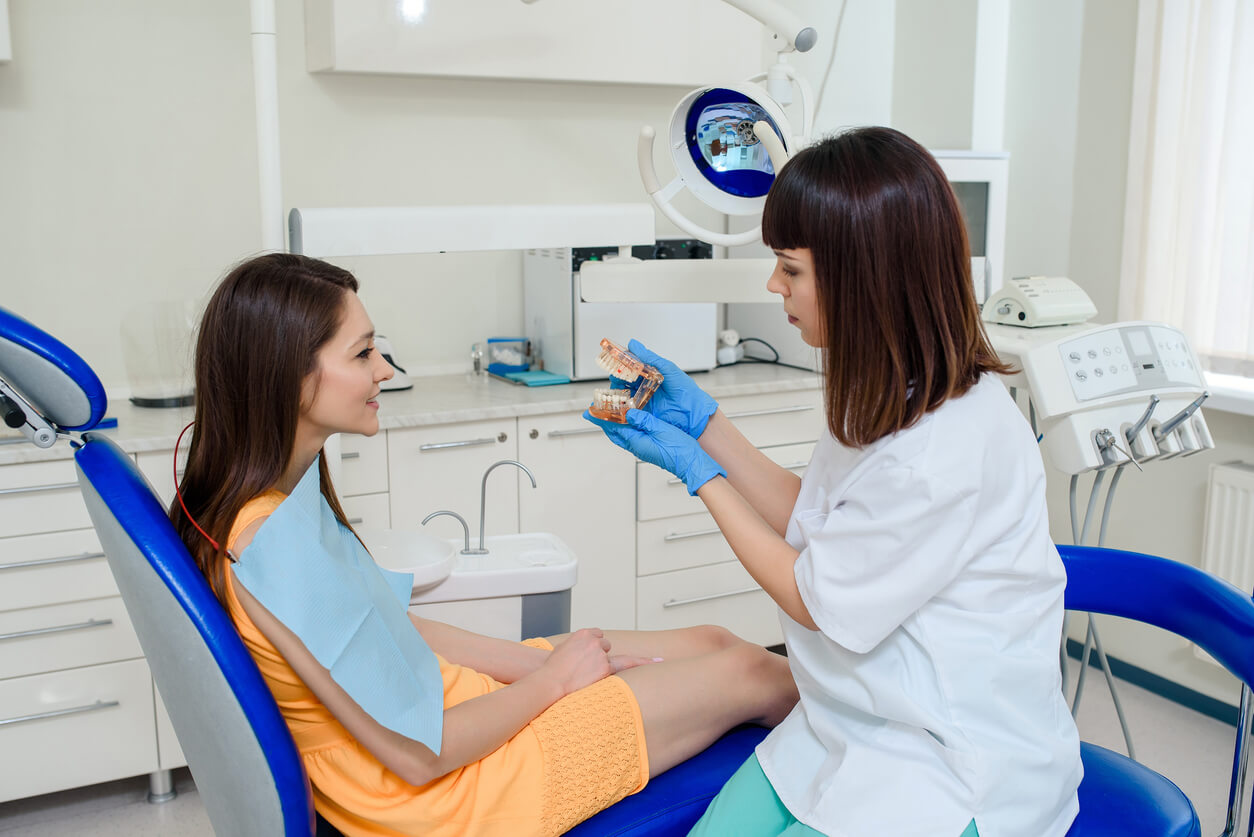
These appointments also support your oral hygiene at home. A dental hygienist can remove buildup, review your brushing and floss technique, and point out areas you may be missing. Sometimes one small change in your routine, like angling your toothbrush differently or using floss more consistently, can improve your dental health more than you expect.
Regular exams can also include screening for oral cancer and even neck cancers, especially for patients with certain risk factors such as age, alcohol use, or tobacco products. These screenings are fast, but they matter. Early detection can make a serious difference.
Dental Check Ups for Children, Teens, and Adults
Children should begin seeing a dentist early, usually by their first birthday or when the first tooth appears. From there, many children benefit from routine dental check ups every six months. These visits help monitor development, teach healthy habits, and catch tooth decay before it affects growing smiles.
For school-age kids and teens, dental visits are especially important because this is the stage when snacks, sports, braces, and changing hygiene routines collide. A child may brush in a hurry, skip floss, or drink too many sugary beverages. Routine care helps prevent problems while their teeth and bite are still developing.
For adults, the ideal frequency depends on history and current needs. Some healthy adults with low risk can stay on a regular schedule of every six months. Others need to visit the dentist more often because of restorations, gum concerns, or medical issues. As we move through life, our health, medications, and habits change, and our dental timeline should change when needed too.
What Happens If You Skip Regular Dental Care?
Skipping dental care can seem harmless at first, especially if your teeth feel fine. But the mouth is good at hiding trouble until it gets harder to ignore. Plaque hardens, cavities deepen, and irritated gums can quietly move toward periodontal disease. By the time many patients finally go to the dentist, the issue is no longer simple.
This is where preventive care earns its keep. A routine cleaning and exam are usually far easier than more involved dental treatments later. It is the difference between patching a tiny crack in a windshield and replacing the whole thing after it spreads across the glass. When you see the dentist regularly, small issues stay small more often.
Avoiding visits can also affect your confidence and comfort. Dental concerns can interfere with eating, speaking, sleeping, and smiling. In some cases, untreated oral health problems may connect with broader health concerns. Your mouth is not separate from the rest of your body. It is part of the same system.
When Deep Cleanings or More Frequent Treatment Are Needed
Not every cleaning is the same. Some patients need standard preventive care, while others need deep cleanings because plaque and bacteria have moved below the gumline. If your dentist sees signs of periodontal disease, infection, or deeper pockets around the gums, they may recommend deep cleanings as part of your treatment plan.
This can sound intimidating, but it is often the right step to protect your oral health and avoid tooth loss. Once active gum disease is under control, your office may recommend maintenance visits every three or four months instead of every six months. That kind of regular schedule helps keep bacteria from rebuilding and gives your team a chance to monitor healing.
In other words, the answer to how often should you go is not just based on preference. It depends on what your teeth, gums, and supporting bone need right now. Personalized care beats guessing every time.
Does Dental Insurance Affect How Often You Visit?
Many people use dental insurance as their guide, and it is true that a lot of plans cover two preventive dental checkups per year. That can make twice a year feel like the official rule. But insurance is a payment tool, not a medical diagnosis. Your actual needs may not line up perfectly with what your plan covers.
If your dentist recommends extra dental treatments, more frequent periodontal maintenance, or additional exams, it is usually because your oral health calls for it. Good care should be based on risk and clinical findings, not just a benefits summary. A strong dental office will also help you understand your dental insurance and make the most of your benefits where possible.
At Liberia Dental Care, we know patients in Manassas want quality care that is practical and accessible. That is why conversations about timing, prevention, and cost should be clear and honest. The best plan is one that protects your smile before bigger expenses show up.
How to Know Your Ideal Dental Visit Schedule
So, how often should you go every six months, every three months, or only when something feels wrong? The best answer comes from a personalized exam. Your dentist will look at your current oral health, your history of cavities, the condition of your gums, your home oral hygiene, and your medical background.
If you have strong home care, low decay history, and stable gums, your dentist regularly may suggest a standard six-month check up. If you are managing periodontal concerns, repeated dental issues, or medical conditions that increase risk, you may need a shorter interval. Neither schedule is better in a moral sense. It is just about what keeps your mouth stable and healthy.
The important thing is not to self-diagnose based on how your teeth feel today. Many oral health problems do not hurt until they are advanced. A professional dental check gives you real information, not guesswork.
A Healthy Smile Starts With Consistency
For most patients, the answer is simple: visit the dentist every six months and adjust from there if needed. That rhythm gives your care team a chance to catch issues early, keep your teeth cleaned, and support long-term oral health. If you have symptoms, a history of gum disease, or a higher risk profile, you may need to come in more frequently.
The best time to protect your smile is before something starts throbbing at 2 a.m. Preventive dentistry is rarely dramatic, and that is exactly the point. Quiet, consistent care keeps your teeth, gums, and smile on solid ground.
If you are due for a dental check, need a cleaning, or have questions about how often to see the dentist, Liberia Dental Care is here to help. Our team is proud to provide compassionate, comprehensive dental services for families in Manassas, Gainesville, and surrounding Northern Virginia communities. Schedule your appointment today and let us help you keep your smile healthy for the long run.